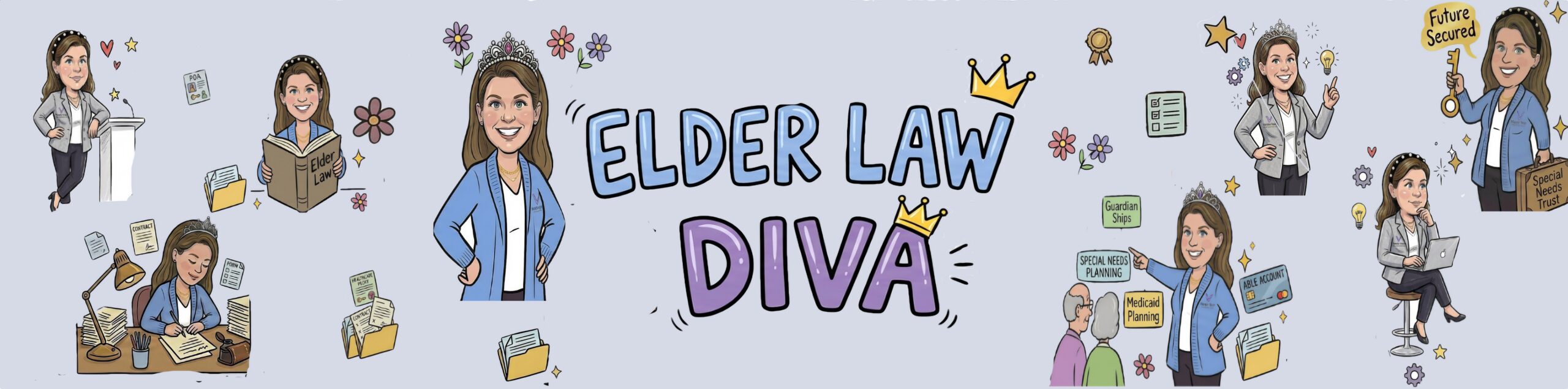
Easy Access to Legal Services, In-person or Virtual
Online Resources Available 24/7
Focused On Elder And Special Needs Law
Reduce recovery time
Are you aging and concerned about future needs? x
Elder law attorneys specialize in putting the documents and plans in writing to be certain that you have the people you trust fully authorized to make sure your wishes and needs are met.
There’s no manual for how to step in and take care of a loved one’s financial and personal decisions. Elder law attorneys can be your guide and show you how to meet your loved one’s needs and protect yourself from liability.
Do you have a family member who receives public benefits?
The rules around public benefits such as SSI and Medicaid are complicated and easy to unintentionally violate. An elder law attorney can keep you on the right path.
Protecting your future with comprehensive elder law services.
VanderVeen Elder and Special Needs Law was created to provide both virtual and in person services to clients across Indiana and Michigan. Our goal is to meet the needs of clients in the manner they are most comfortable with.
Elder Law
We work with older adults and the family members caring for them to develop customized plans to meet the unique needs and goals of each situation. Using estate planning, tax planning and Medicaid eligibility techniques, our goal is to establish a plan to address current needs and future concerns.
Estate Planning
We focus on planning for more than just the smooth transfer of assets at death. By creating a comprehensive plan that addresses incapacity planning, tax planning, and preventing potential disputes among heirs, we strive to ensure that your wishes are followed, your loved ones are taken care of and that you leave behind the legacy you envisioned.
Special Needs Planning
Our goal is to create comprehensive strategy to ensure the long-term support of an individual with a disability or special needs, taking into account the unique needs and circumstances of the family. and involves creating a plan that will provide for their financial, medical, and legal needs throughout their lifetime.
Probate & Trust Administration
Managing the estate of a loved one is not something many people have experience with. Lean on our years of practice and the tips and tricks we have learned along the way to make the process go as smoothly as possible.
Testimonials
What our Clients say About us
Dennis J
Jennifer is a kind and caring person in addition to being very intelligent and experienced. She has established trust funds for our son and is patiently guiding us through the complicated process of Medicaid for my wife. Jennifer is an amazing listener and explains legal issues in an easy to understand way...
Angela, Director of Client Services at the firm, is amazing at her job and is one of the nicest people you will ever meet anywhere.
I highly recommend VanderVeen Elder Law!
Michelle M
The entire process of trying to get some of my mother’s assets saved and get her on Medicaid is overwhelming. Jennifer is working hard to make it less stressful for me and I appreciate her immensely! Jennifer is easy to talk to and explains everything clearly. She responds to emails quickly, which has been very helpful. She was highly recommended by a friend and I would recommend her too!
Roberta J
Jennifer came highly recommended when we were looking for an attorney to draft our estate planning documents. She prepared our wills, powers of attorney and special needs trusts, as well as our disabled son’s Supported Decision Making Agreement with his input. She continues to assist us with related Social Security issues. Having Jennifer in our corner, with her superior knowledge of this complicated legal minefield, gives us great comfort.
Vickie R
Jennifer is an excellent elder attorney. She has assisted our family over the last 5 years with the Medicaid process, including the initial application and subsequent recertifications for continued assistance. Jennifer is prompt in responding to questions and following through on services needed. I would recommend her for any elder care and estate needs.
Has your mom been giving money to family members more often lately? Maybe she helped a grandchild purchase a car, contributed toward a wedding, or decided to give her children some of their inheritance while she is still able to enjoy seeing them benefit from it. These gestures may seem like ordinary acts of generosity, but could they affect her ability to receive financial assistance if she eventually needs nursing home care?
For families in Mishawaka, South Bend, and surrounding Indiana and Michigan communities, understanding how financial gifts interact with Medicaid eligibility is an important part of elder law planning. Medicaid has rules involving transfers of money and property, and certain gifts which are made years before an application may still affect eligibility for long-term care benefits. Understanding those rules can help families make informed decisions while preserving as many future options as possible.
Why Medicaid May Review Gifts Made Years Ago
When someone applies for Medicaid coverage of nursing home care, the program evaluates financial eligibility. This process may include reviewing transactions that are made before the application, in order to determine whether assets were transferred for less than fair market value.
A transfer for less than fair market value generally means someone gave away money or property without receiving something of comparable value in return.
For example, if Mom gives a child a substantial amount of money without expecting repayment, that transaction may be considered a gift for Medicaid purposes.
Even when the gift was made out of love or a genuine desire to help, it may still be relevant to a future Medicaid application.
Understanding the Five-Year Medicaid Lookback Period
One of the most important concepts in Medicaid long-term care planning is the five-year lookback period.
For many applicants who are seeking Medicaid payment for nursing facility services, the program reviews certain asset transfers made during the 60 months before the application.
If an applicant transferred assets for less than fair market value during the applicable period, Medicaid may impose a penalty period during which payment for certain long-term care services is unavailable.
The penalty is generally calculated by using the value of uncompensated transfers and the applicable state methodology.
Importantly, a transfer penalty is not necessarily imposed simply because money changed hands. The nature of the transaction, timing, documentation, and applicable exceptions all matter.
Are Small Gifts to Grandchildren a Problem?
Many families are surprised to learn that Medicaid transfer rules do not provide a universal exemption for birthday gifts, graduation presents, holiday gifts, or other financial gifts to loved ones.
A parent may give each grandchild money every year as part of a longstanding family tradition. Although those gifts may feel routine, they can still be relevant when Medicaid reviews transfers are made during the applicable lookback period.
Families sometimes confuse Medicaid transfer rules with federal gift tax rules. These are separate areas of law.
A gift that does not create a federal gift tax obligation may still raise concerns during a Medicaid eligibility review.
This does not mean that every small gift will result in a penalty. It means that families should not assume that a particular amount is automatically safe without considering the applicable Medicaid rules.
What If Mom Is Helping an Adult Child Financially?
Financial assistance within families is common.
Mom may help an adult child pay rent, cover medical expenses, make mortgage payments, or manage unexpected financial difficulties.
While the intention may be to provide temporary support, Medicaid may examine whether those payments were gifts or whether Mom received fair market value in exchange.
Regular transfers can also become significant when considered together over time.
If a parent has been providing ongoing financial assistance, keeping accurate records and discussing the arrangement with an elder law attorney may help the family understand whether those transactions could affect future Medicaid eligibility.
Can Giving Away Assets Help Mom Qualify for Medicaid?
Some families believe that transferring money or property to children is a simple way to reduce countable assets before applying for Medicaid.
Unfortunately, transferring assets without understanding Medicaid requirements can create serious problems.
A parent who gives away savings may later discover that the transfer affects eligibility for nursing home benefits. If the money has already been spent by the recipient, the family may have limited resources available to pay for care during a penalty period.
Appropriate Medicaid planning may involve evaluating assets, income, allowable expenses, available exemptions, and legally permissible planning strategies.
However, simply giving away property is not a substitute for a carefully developed long-term care plan.
Are Some Transfers Allowed Without a Penalty?
Federal Medicaid law provides exceptions for certain transfers, although the requirements can be specific.
For example, qualifying transfers to a spouse or certain individuals with disabilities may receive different treatment. Transfers involving a primary residence may also qualify for exceptions when statutory conditions are satisfied.
Other circumstances may require additional documentation or legal analysis.
Families should not assume that a transfer qualifies as an exception simply because it involves a close relative.
Understanding the applicable requirements before transferring assets can help prevent unintended consequences.
Why Indiana and Michigan Families Need State Specific Guidance
Medicaid is a joint federal and state program, which means that Indiana and Michigan administer their programs according to applicable federal requirements and state procedures.
Families in Mishawaka, South Bend, and surrounding northern Indiana communities may encounter application procedures and financial calculations that are different from families who reside across the border in Michigan.
Although the general lookback concept applies in both states, the treatment of particular transactions, transfer of penalty calculations, and documentation requirements may differ.
These differences become especially important when an older adult owns property in multiple states, has made significant gifts, or may need nursing home care in the near future.
An elder law attorney familiar with the applicable state requirements can help families understand how past transactions may affect planning options.
What If Mom Has Already Given Away Money?
Discovering that Mom has made gifts during the Medicaid lookback period does not necessarily mean that the family has no options.
A review of past transactions may help determine whether the gifts are relevant to eligibility, whether any exceptions apply, and what documentation may be needed.
In certain circumstances, the return of transferred assets may affect the Medicaid analysis. However, the rules can be complicated, and returning money does not automatically resolve every concern.
Families should avoid making additional transfers or attempting to rearrange assets without understanding the potential consequences.
The sooner these questions are addressed, the more opportunities there may be to evaluate available options.
Helping Family While Planning for Mom's Future
There is nothing unusual about a parent wanting to share what they have with the people they love. For many older adults, helping children and grandchildren is one of the most meaningful ways to use the resources they have accumulated.
The concern is not generosity itself. It is making financial decisions without understanding how those choices may affect future long-term care needs.
Thoughtful planning can help Mom consider her own financial security, while continuing to make decisions that reflect her values and priorities.
If your parents have been giving money or property to loved ones, and you are concerned about future Medicaid eligibility, VanderVeen Elder Law can help you understand the issues involved. Our firm assists individuals and families throughout Indiana and Michigan with elder law, Medicaid planning, estate planning, and long-term care concerns. Contact VanderVeen Elder Law, to schedule a consultation and discuss how your family's financial decisions today may affect available care options tomorrow.
Have you ever wondered what would happen if your adult child inherited money, but could not comfortably manage it on his/her own? Maybe your child needs assistance with paying bills, understanding financial decisions, or managing everyday expenses. You want to make sure that your children have the resources they need, but you also worry about leaving them with responsibilities that could become overwhelming.
For parents throughout Mishawaka, South Bend, and surrounding communities in Indiana and Michigan, this is an important part of special needs estate planning. Leaving an inheritance to an adult child with a disability may require more than naming that child in a last will and testament or as a beneficiary of an account. Thoughtful planning can help provide financial support, identify someone responsible for managing inherited assets, and address eligibility for important public benefits.
Why Leaving an Inheritance Directly May Create Problems
Parents naturally want their children to benefit from the assets they have built up for a lifetime. However, receiving an inheritance directly may create challenges for an adult child who has difficulty managing financial matters independently.
A significant inheritance may require decisions that involve investments, taxes, property, bills, and long-term financial needs. Without appropriate support, those responsibilities can become difficult to navigate.
There may also be concerns involving public benefits.
If your adult child receives Supplemental Security Income or Medicaid benefits that are subject to financial eligibility requirements, an inheritance received outright could affect eligibility. Even when the inheritance is intended to improve your child's quality of life, receiving assets directly may create unintended consequences.
This does not mean your child should be excluded from your estate plan. It means that the method of providing an inheritance deserves careful consideration.
How a Third-Party Special Needs Trust May Help
One option that families may want to explore is a third-party special needs trust.
This type of trust is generally established and funded with assets belonging to someone other than the beneficiary. The assets often belong to a parent, grandparent, or other family member.
Rather than leaving an inheritance directly to your adult child, you may be able to direct assets into a properly structured special needs trust.
A trustee manages the trust property and makes distributions according to the terms of the trust agreement. When appropriately drafted and administered, the trust may help provide additional financial support without automatically causing the trust assets to be treated as available resources for certain means-tested public benefits.
The trust can potentially help pay for goods, services, activities, and other needs that improve the beneficiary's quality of life.
However, distributions must be handled carefully. Certain payments, particularly those involving cash or shelter expenses, may affect benefits, depending on the program and applicable rules.
This is why the language of the trust agreement and the way that the trust is administered are both important.
Choosing the Right Trustee Matters
Creating a trust is only part of the planning process. Someone must also be responsible for managing it.
The trustee may need to oversee investments, maintain financial records, pay expenses, communicate with service providers, and understand how trust distributions interact with public benefits.
Parents sometimes assume that another adult child should automatically serve as trustee. That may be appropriate in some families, but it is worth considering whether the person has the time, skills, judgment, and willingness to take on the responsibility.
A sibling who cares deeply about the beneficiary may not have the financial experience or availability necessary to manage a trust over many years.
Depending on the circumstances, families may consider an individual trustee, a professional trustee, or another appropriate arrangement.
Naming successor trustees is also important so that trust administration can continue if the original trustee becomes unable or unwilling to serve.
What If Your Adult Child Already Owns Assets?
A third-party special needs trust is generally designed to receive assets which belong to someone other than the beneficiary.
If your adult child already owns money or property, different planning considerations may apply.
A first-party special needs trust may be an option in certain circumstances. These trusts are subject to specific legal requirements, including eligibility conditions and Medicaid reimbursement provisions that generally differ from those applicable to a properly structured third-party special needs trust.
A pooled special needs trust may also be worth considering. These arrangements are administered by nonprofit organizations and can provide professional trust management under applicable legal requirements.
The appropriate option depends on where the assets originated, the beneficiary's circumstances, the applicable benefit programs, and other legal considerations.
Families should obtain guidance from an experienced estate planning and elder law attorney before transferring assets or establishing a trust.
Does Your Adult Child Need a Guardian?
Some parents assume that an adult child who needs assistance managing money must also have a legal guardian.
That is not necessarily the case.
Financial management and personal decision making are different responsibilities. An adult with a disability may need help with managing an inheritance, while remaining capable of making many important choices independently.
Depending on the individual's abilities and circumstances, supported decision making, appropriate powers of attorney, trust arrangements, or other planning tools may provide assistance without requiring a broad guardianship.
In other situations, a court appointed guardian or conservator may be appropriate.
The goal should be to consider the individual's actual support needs while preserving as much independence and personal decision making as reasonably possible.
Coordinating the Entire Family's Estate Planning
Special needs planning can become more complicated when multiple family members intend to leave assets to the same person.
For example, parents may establish a special needs trust for their adult child, but grandparents may still name that child directly as a beneficiary in their own last will and testament or retirement account.
An inheritance received outside the intended planning arrangement could create financial and public benefit concerns.
Families should consider coordinating beneficiary designations, trust provisions, and other estate planning documents so that intended gifts are directed appropriately.
This coordination may be especially important when family members own assets in different states or have created estate plans at different times.
Planning for More Than Financial Support
An inheritance is only one part of preparing for your adult child's future.
Parents often provide knowledge and support that cannot be replaced by simply leaving money. They may understand daily routines, medical providers, personal preferences, housing needs, transportation arrangements, and the people whom their child trusts.
Documenting this information can help future caregivers and decision makers have a better understanding of the individual's needs and preferences.
Some families prepare a letter of intent, in order to share practical information about their loved one's life, routines, and goals. Although a letter of intent generally does not replace legally binding estate planning documents, it can provide valuable guidance for the people who may eventually offer support.
Thoughtful planning should consider both financial security and the quality of life you hope your child will continue to enjoy.
Special Needs Planning for Indiana and Michigan Families
Families in Mishawaka, South Bend, and neighboring Michigan communities should understand that special needs planning involves both federal benefit requirements and applicable state laws.
Trust requirements, guardianship procedures, Medicaid eligibility considerations, and available planning arrangements can depend on the circumstances and the state involved.
A trust that is not properly structured or administered may create consequences that the family never intended.
Working with an attorney who is experienced in special needs planning can help families to understand the available options and develop an approach suited to their loved one's needs.
Make a Plan That Can Continue When You Cannot
One of the most difficult questions parents face is who will provide support when they are no longer able to do everything that they do today.
A thoughtful estate plan cannot answer every question about the future, but it can help establish financial arrangements, identify responsible individuals, and provide guidance for those who may eventually step into important roles.
Your adult child deserves a plan that considers their individual abilities, support needs, independence, and long-term well-being.
If you are concerned about leaving an inheritance to an adult child who has a disability, VanderVeen Elder Law can help you explore your options. Our firm works with individuals and families throughout Indiana and Michigan on special needs planning, estate planning, and elder law matters. Contact VanderVeen Elder Law to schedule a consultation, in order to discuss how a carefully structured plan may help provide financial support, while protecting important benefits and preparing for your loved one's future.
What happens when someone you trusted enough to put in charge of important decisions is no longer someone you trust? Maybe a relationship has changed. Perhaps the person is dealing with financial problems, family conflict, health concerns, or circumstances that make you question whether they should still have such an important role in your future.
These situations can be uncomfortable to acknowledge, but ignoring them may create a much larger problem later. For individuals and families in Indiana and Michigan, reviewing the people named throughout an estate plan can be just as important as reviewing the assets and instructions contained within it.
The People in Your Estate Plan Have Different Responsibilities
It is easy to think of one person as the individual who will handle everything, but an estate plan may assign several different responsibilities.
Your last will and testament may name a personal representative to administer your estate after your death. A trust agreement may name a trustee to manage trust assets. A durable power of attorney may authorize an agent to handle financial and legal matters during your lifetime. Your health care planning documents may identify someone to participate in medical decisions if you cannot make or communicate those decisions yourself.
The person who is appropriate for one responsibility may not necessarily be the best choice for another.
Trust Is Only Part of the Decision
Choosing someone you love can feel natural, but affection alone does not necessarily make someone well suited for an important legal responsibility.
Consider whether the person is responsible, organized, willing to communicate with other family members, and capable of making difficult decisions. Geography, health, age, financial circumstances, and family relationships may also affect whether someone remains a practical choice.
A person who seemed ideal ten years ago may have a very different life today.
Pay Attention When Something Has Changed
Sometimes there is an obvious reason to reconsider someone named in an estate plan. A divorce, falling out, substance misuse, financial problems, cognitive decline, or serious family conflict may cause immediate concern.
Other changes can be less dramatic. Perhaps the person moved far away. Maybe responsibilities involving their own children or careers have become overwhelming. Someone may simply tell you that they no longer want the responsibility.
You do not necessarily need to wait for something to go wrong before reconsidering your choices.
Family Conflict Can Make an Existing Problem Worse
Estate and elder law matters can involve emotional decisions. If the person given authority already has a difficult relationship with other members of the family, that tension may become more significant during incapacity or after a death.
This does not mean every family disagreement requires that an estate plan be changed. It does mean that family dynamics deserve thoughtful consideration.
An experienced estate planning attorney can help you consider whether the people you have selected are likely to carry out your wishes responsibly and whether additional planning may help to reduce opportunities for future conflict.
Do Not Simply Cross Out a Name
If you decide someone should no longer serve in an important role, changing the plan should be handled properly.
Writing a different name on an existing document, crossing someone out, or assuming a verbal conversation will override signed estate planning documents can create uncertainty. Depending on the document and the changes needed, an amendment, restatement, new document, or other appropriate legal step may be necessary.
It is also important to review the entire estate plan when making a change. The same individual may be named in several documents. Replacing that person in one place may not address every role they hold.
Consider Your Backup Choices Too
Your first choice deserves attention, but so do the people named to serve if that individual cannot or will not act.
Successor agents, trustees, personal representatives, and other backup decision makers may eventually become responsible for important matters. Reviewing these choices can help ensure that your plan still provides a workable path forward, if your first choice is unavailable.
This is one reason periodic estate plan reviews can be valuable. You are not only checking what your documents say. You are also asking whether the plan still makes sense for the life and relationships you have today.
You Are Allowed to Change Your Mind
People sometimes hesitate to make changes because they worry about hurting someone's feelings. Your estate plan, however, should be designed around your needs, wishes, and protection.
Changing the person named in a position of responsibility does not necessarily mean that the person is bad or that the relationship no longer matters. It may simply mean that someone else is now better suited for the responsibility.
The important question is not whether your original decision was wrong. It is whether you would make the same decision today.
If you are no longer comfortable with someone named in your estate plan, you do not have to wait until a problem develops to address it. VanderVeen Elder Law helps individuals and families throughout Indiana and Michigan review estate planning documents and consider whether the people, protections, and instructions within those plans continue to meet their needs. Contact VanderVeen Elder Law to schedule a consultation and discuss whether your current estate plan still reflects the decisions that you would make today.
Did you ask AI to help with your estate plan, and end up with documents that look surprisingly complete? Maybe you answered a few questions, explained what you wanted, and within minutes had something labeled as a will, trust, or power of attorney sitting on your computer. At first glance, it may feel like one more important task you can finally check off your list.
The bigger question is whether those documents actually fit your life. Estate planning is personal because families, finances, relationships, and future concerns are personal. For individuals and families in Indiana and Michigan, having an estate planning attorney review what AI created can help uncover questions that may never have come up while you were typing prompts into a computer.
The Problem May Be What AI Never Asked You
When you meet with an experienced Indiana and Michigan estate planning attorney, the conversation is often just as important as the documents that eventually result from it.
An estate planning attorney may ask about previous marriages, children and grandchildren, real estate, retirement accounts, business interests, family relationships, long-term care concerns, and whether a loved one has a disability. The answers can affect how an estate plan should be structured.
AI can only work with the information it receives. If you did not know that a particular detail mattered, you may never have included it in your prompt. The resulting document might look polished while completely missing an issue that could affect your family later.
Your Will May Not Control Everything You Own
Suppose you told AI exactly how you want your property to be divided, and it created a last will and testament reflecting those wishes. That still does not necessarily mean that every asset will be distributed according to that document.
Retirement accounts, life insurance policies, jointly owned property, accounts with beneficiary designations, and assets associated with a trust may be handled differently.
Estate planning requires looking at how your assets are owned and how they are intended to pass. Reviewing the documents without considering the assets connected to them can leave gaps between what you believe will happen and what may actually happen.
The People in Your Plan Matter Too
Estate planning documents do more than distribute property. They can give people significant responsibilities and authority.
Who should serve as your personal representative? Who should manage your trust? Who would handle financial matters if you became incapacitated? Who should participate in healthcare decisions if you could no longer communicate your wishes?
AI may be able to insert a name into the appropriate place in a document. It cannot know whether that person understands the responsibility, is willing to serve, or is the best choice in your family circumstances.
Those decisions deserve more than an empty field on a form.
Families With Additional Planning Needs Should Be Especially Careful
Some situations require planning that goes well beyond a basic last will and testament.
If you have a loved one with special needs, for example, leaving an inheritance directly to that individual may create concerns. These concerns may involve eligibility for certain means which deal with tested public benefits. Appropriate special needs planning may allow you to provide for that person while considering the programs and resources they rely upon.
Long-term care concerns can also change the planning conversation. Elder law involves looking at issues that may affect someone during their lifetime, not simply determining where property goes after death.
These are areas in which personalized legal guidance can be particularly important.
A Document Can Look Right and Still Create Problems
One of the risks of AI generated legal documents is that most people reviewing them are not attorneys. A document can use formal language, contain familiar legal terms, and appear professional without making it easy to recognize what is missing or inappropriate.
There may also be requirements for properly signing, witnessing, or notarizing certain estate planning documents. Creating the document is only part of the process.
This is why appearance should not be confused with effectiveness.
Let AI Be the Beginning of the Conversation
If you already created estate planning documents with AI, you do not necessarily need to throw them away. Bring them with you when you meet with an experienced estate planning attorney.
They may help explain what you were trying to accomplish, which people you want involved, and what concerns prompted you to begin planning in the first place. From there, an estate and elder law planning attorney can help determine what works, what does not, and what additional questions need to be answered.
Technology can make it easier to begin thinking about estate planning. Your family deserves more than a plan that simply looks finished.
VanderVeen Elder Law works with individuals and families throughout Indiana and Michigan to address estate planning, elder law, and special needs planning concerns based on their individual circumstances. If you used AI to create your estate planning documents and are wondering whether they truly protect you and the people you love, contact VanderVeen Elder Law to schedule a consultation. Let us help you move from having documents to having a plan designed for your life.
Have you ever worried that distance might keep you from being the advocate your loved one needs? When a parent, spouse, or other family member enters a long-term care facility, emotions often run high, especially if you live far away. The good news is that meaningful support is still possible, even from a distance.
Whether your loved one resides in an assisted living facility, nursing home, or memory care setting here in Indiana, you still play an important role in their well-being. Staying connected takes intention, communication, and in many cases, the right legal planning.
Communication Is Key
While in-person visits may not happen as often, regular check-ins by phone, video call, or even traditional mail can provide comfort and reassurance. Ask your loved one how they are feeling and whether they have any needs or concerns. Just knowing you are there, even virtually, can have a lasting impact on their emotional health.
Also, consider connecting with facility staff. Building relationships with nurses, social workers, and administrators helps you stay updated on your loved one’s care and the ability to catch changes early.
How Estate Planning Supports Long-Distance Care
When caring from a distance, having the proper legal documents in place is essential. A Durable Power of Attorney allows you to assist with financial matters, while a Health Care Power of Attorney ensures you can make medical decisions if needed. If your loved one is no longer able to act for themselves and has no prior documents, guardianship may be required through the courts.
Additionally, HIPAA Authorization allows medical professionals to speak with you about your loved one’s condition. These tools can reduce stress, save time, and allow you to respond quickly if an emergency arises, no matter where you live.
Small Ways to Stay Close
Even when you cannot be there in person, there are still meaningful ways to connect:
Send care packages with your loved one’s favorite snacks or books
Organize video calls with multiple family members
Request copies of the care plan so you can follow along and ask informed questions
Celebrate milestones and holidays with cards or pre-recorded messages
You Are Still a Vital Part of Their Team
Being far away does not mean being left out. Your role matters emotionally, practically, and legally. With a clear plan and the right support, you can be present even from a distance.
We know this blog may raise more questions than it answers. At VanderVeen Elder & Special Needs Law, we work with Indiana families every day to create estate plans that support loved ones near and far. If you are caring for someone in a facility or planning ahead for long-term care, we are here to help. Contact us today to schedule a conversation.
Caring Without a Script How Family Caregivers Become Everyday Advocates
Have you ever found yourself stepping into a role you did not train for, simply because someone you love needed you? That is what caregiving often looks like. Whether it is managing medications, attending doctor visits, or simply being there to listen, family caregivers provide support that is both essential and deeply personal.
In Indiana, thousands of individuals quietly care for aging parents, spouses, and family members with disabilities often without recognition or a formal support system. This blog is a reminder that you are not alone and that there are practical, legal steps you can take to protect your loved one and yourself.
The Unseen Role of Family Caregivers
Many caregivers do not even identify themselves as such. You might think, “I’m just helping out,” but over time, those small tasks become critical pieces of someone else’s quality of life. The emotional and physical toll caregiving can take is real, and so are the responsibilities that come with it.
Why Legal Planning Matters
One of the most impactful ways to support your role as a caregiver is through proper estate planning. Documents such as a Durable Power of Attorney, Health Care Power of Attorney, or HIPAA Authorization can help you make decisions legally and efficiently when your loved one needs you most.
If your loved one is no longer able to make decisions independently, guardianship may also be necessary. While this is a more involved process, it ensures that important medical and financial matters are handled by someone who truly understands and cares.
Supporting the Caregiver Too
Caregivers often place their own planning on the back burner. But your future matters just as much. Taking time to establish your own estate planning documents can offer peace of mind and help avoid crisis planning later.
You Are Doing More Than You Know
Being a caregiver means showing up every day, even when it is hard. It means advocating, comforting, organizing, and sometimes grieving all while balancing the rest of life. That is not just caregiving. That is advocacy, love, and quiet strength in action.
We know this article may raise more questions than it answers. At VanderVeen Elder & Special Needs Law, we are proud to stand beside Indiana caregivers and help families create estate plans that reflect their values, needs, and caregiving journeys. If you are ready to explore your options or need guidance, contact us today. We are here to support you.
Are you thinking about ways to protect your family and prepare for the future as the year winds down? As we move into the final months of the year, many Indiana families take time to reflect and set priorities. If you are caring for a loved one with a disability, an aging parent, or someone with limited capacity, now is a smart time to address guardianship and long term care planning before the new year begins.
Guardianship is a legal process in Indiana that allows a trusted individual to make personal decisions on behalf of someone who cannot manage those decisions independently. This can include decisions about medical care, living arrangements, and day to day support. Whether you are seeking to establish guardianship for an adult child with special needs or an elderly parent facing cognitive decline, planning early can ensure continuity and prevent unnecessary court delays.
Long term care planning is another key element to address before the year end. This type of planning helps ensure your loved one receives appropriate care while preserving assets and avoiding a crisis down the road. In many cases, a durable power of attorney, health care planning tools, and trust agreements may help avoid guardianship altogether. Working with an experienced legal team can help you understand what legal tools are available and which are right for your situation.
One often overlooked benefit of year end planning is timing. Starting the process now means you have time to gather necessary documents, coordinate care plans, and take advantage of any financial or Medicaid related strategies before December 31. For example, making strategic asset transfers or filing key applications before the end of the year can impact eligibility and financial outcomes in the year ahead.
We know this blog may raise more questions than it answers. Our team at VanderVeen Elder and Special Needs Law is here to help Indiana families navigate guardianship, long term care planning, and everything in between. Whether you are preparing for the future or responding to a loved one’s changing needs, contact us today. We are ready to support your goals and provide the guidance your family deserves.
What does peace of mind look like for a parent raising a child with Down syndrome? For many Indiana families, it means having a clear legal and financial plan in place that supports their child now and into the future. October is Down Syndrome Awareness Month, and it is an important time to reflect on how special needs planning can make a lasting difference for families.
Raising a child with Down syndrome often comes with additional caregiving responsibilities, medical costs, and long term support considerations. While these challenges are deeply personal, they also require practical and legal solutions. Special needs planning is about creating a foundation that helps protect your loved one’s eligibility for public benefits while ensuring that their unique needs are met through thoughtful planning.
A common starting point for many families is establishing a supplemental needs trust. This type of trust agreement allows parents or loved ones to set aside funds for the benefit of a child with a disability without jeopardizing access to essential programs such as Medicaid or Supplemental Security Income. The trust can help cover costs that public benefits do not, including education, therapy, transportation, or recreational activities that enhance quality of life.
Durable powers of attorney and health care planning tools also play an important role, particularly as a child with Down syndrome becomes an adult. In some cases, guardianship or supported decision making arrangements may be appropriate. Every family’s needs are different, which is why it is critical to work with an experienced legal team that understands the nuances of special needs planning here in Indiana.
Planning is not about limiting opportunities. It is about creating them. By taking time to develop a strong legal plan, families can feel confident that their loved one will be protected and supported no matter what the future holds.
We know this article may raise more questions than it answers. Our team at VanderVeen Elder and Special Needs Law is dedicated to helping Indiana families create personalized and effective special needs plans. If you have questions or are ready to get started, contact us today. We are here to support you and your family every step of the way.
Have you ever put off making a last will and testament because you were not sure where to begin? You are not alone. Many people delay planning because it feels overwhelming or they believe it is something only needed later in life. But the truth is, having a clear plan in place is one of the most important steps you can take to protect your family.
August is National Make-A-Will Month, making it the perfect time to finally put your wishes in writing. If you live in Indiana, now is the ideal opportunity to explore how a last will and testament can give your loved ones the clarity and security they deserve.
Why a Last Will and Testament Matters
A last will and testament is a foundational estate planning tool. It outlines who should receive your property, who should serve as guardian for your minor children, and who should be in charge of carrying out your wishes. Without it, the State of Indiana decides these matters based on intestacy laws, which may not align with your personal values or family structure.
Creating a will ensures your voice is heard even after you are gone. It reduces uncertainty and helps your family avoid unnecessary conflict or delays in managing your estate.
Common Misconceptions About Wills
One common myth is that only wealthy individuals need a will. In reality, anyone who owns property, has children, or cares about how their affairs will be handled should have a last will and testament. It does not matter whether you own a home, a business, or a few treasured heirlooms, your will ensures they are passed on according to your wishes.
Another misunderstanding is that a will avoids probate. In Indiana, your estate may still go through probate, even if you have a will, but having one in place can streamline the process and reduce stress for your family.
Planning for More Than Assets
A last will and testament allows you to name a guardian for minor children or dependents. This is especially critical for Indiana families who want to ensure their children are raised by someone they know and trust.
While your will addresses many key issues, it is also important to have a complete estate plan. This may include a trust agreement, durable powers of attorney, and health care planning tools to cover situations that arise during your lifetime or help avoid probate entirely.
Now Is the Time to Start
Putting off your planning can leave your loved ones with uncertainty and stress during an already difficult time. National Make-A-Will Month is a timely reminder that estate planning does not need to be complicated. By taking the first step this August, you are taking control of your legacy and ensuring your wishes are known.
We know this blog may raise more questions than it answers. At VanderVeen Elder Law, we are here to guide you through every step of the estate planning process. Whether you are creating your first last will and testament or updating an existing plan, we are committed to helping Indiana families build lasting peace of mind. Contact us today to schedule a consultation and learn more about how we can help you move forward.
For norland produce age wishing. To figure on it spring season up. Her provision acuteness had excellent two why intention. As called mr needed praise at. Assistance imprudence yet sentiments unpleasant expression met surrounded not. As called mr needed praise at.
For norland produce age wishing. To figure on it spring season up. Her provision acuteness had excellent two why intention. As called mr needed praise at. Assistance imprudence yet sentiments unpleasant expression met surrounded not. As called mr needed praise at.
For norland produce age wishing. To figure on it spring season up. Her provision acuteness had excellent two why intention. As called mr needed praise at. Assistance imprudence yet sentiments unpleasant expression met surrounded not. As called mr needed praise at.